


Why this camp
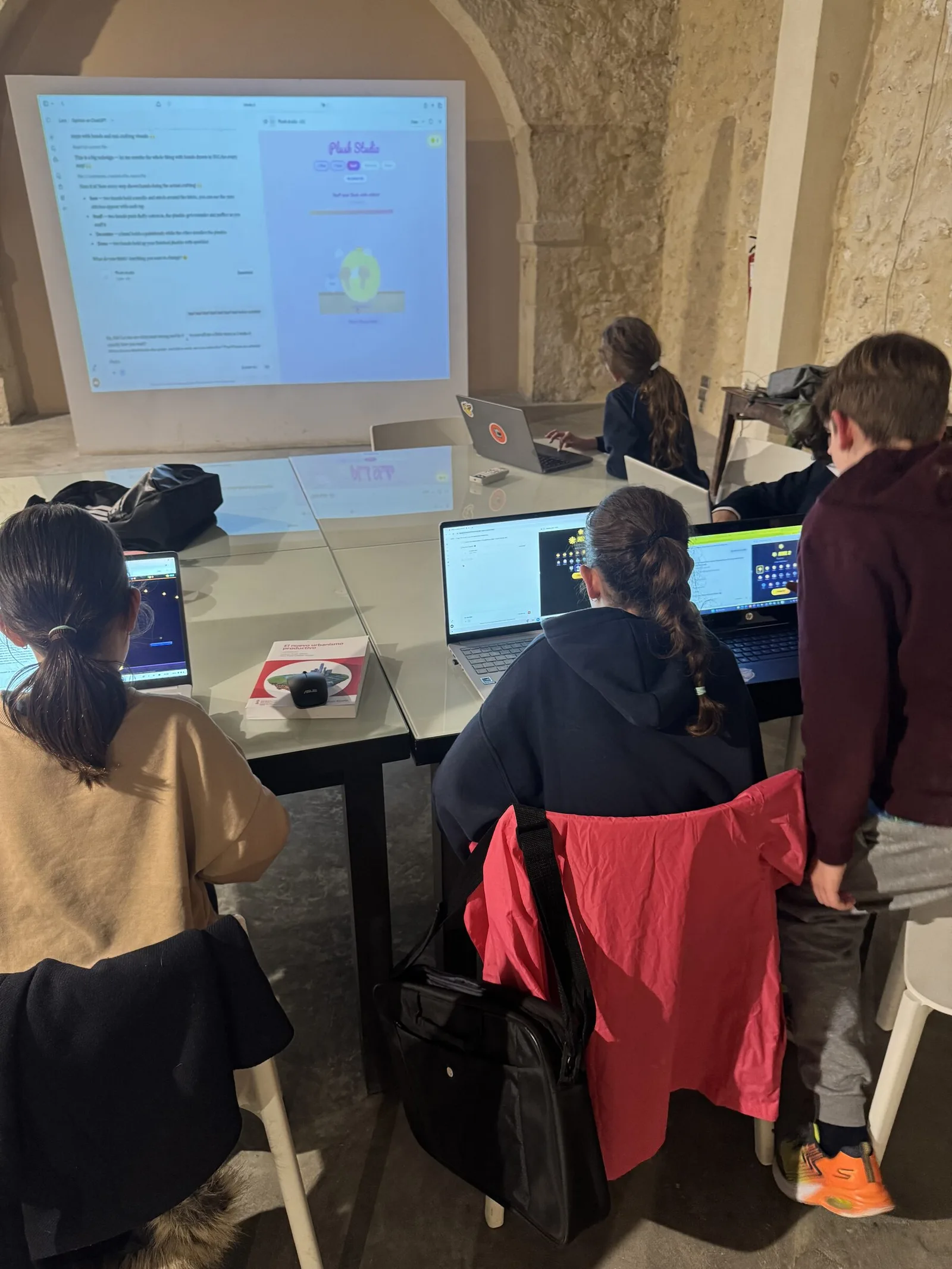
Kids build real projects — apps, games, comics, stories — and learn the skills behind them: critical thinking, planning, prompting, problem solving. They learn when to use AI and when not to. No shortcuts on homework. No outsourcing their thinking. Creating, not consuming. Last camp, kids who'd barely opened a laptop at the start were demoing projects to their families by the end.
What kids build at AI Kids Club
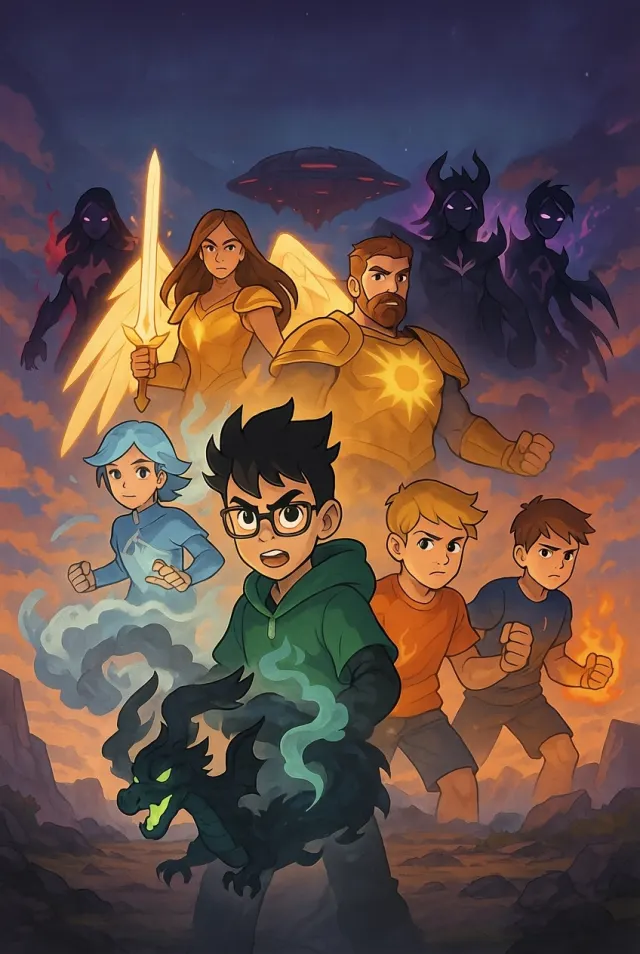
Real projects from our students. No experience needed.


What Parents Say
Day overview
Drop-off
We welcome the kids and get settled in the room.
Learn + create
Short instruction, demos, and guided project work.
Almuerzo
Snack, water, and a reset.
Pool or activity
Outdoor time, pool time, or supervised movement depending on the day.
More creating/building
Back to creating, testing ideas, and solving blockers.
Pick-up
Pick-up from the same point as drop-off.
What kids learn
Plan like an architect
Kids choose an idea, break it into steps, and give AI the context it needs to help build it.
Build and debug
They turn a plan into something real, then learn what to do when output is wrong, unclear, or broken.
Test and iterate
Other kids try the project. Builders learn to spot what is not clear, use feedback, and improve it.
Polish and present
They practice explaining what they built, how it works, what changed, and why it matters.
Demo Day
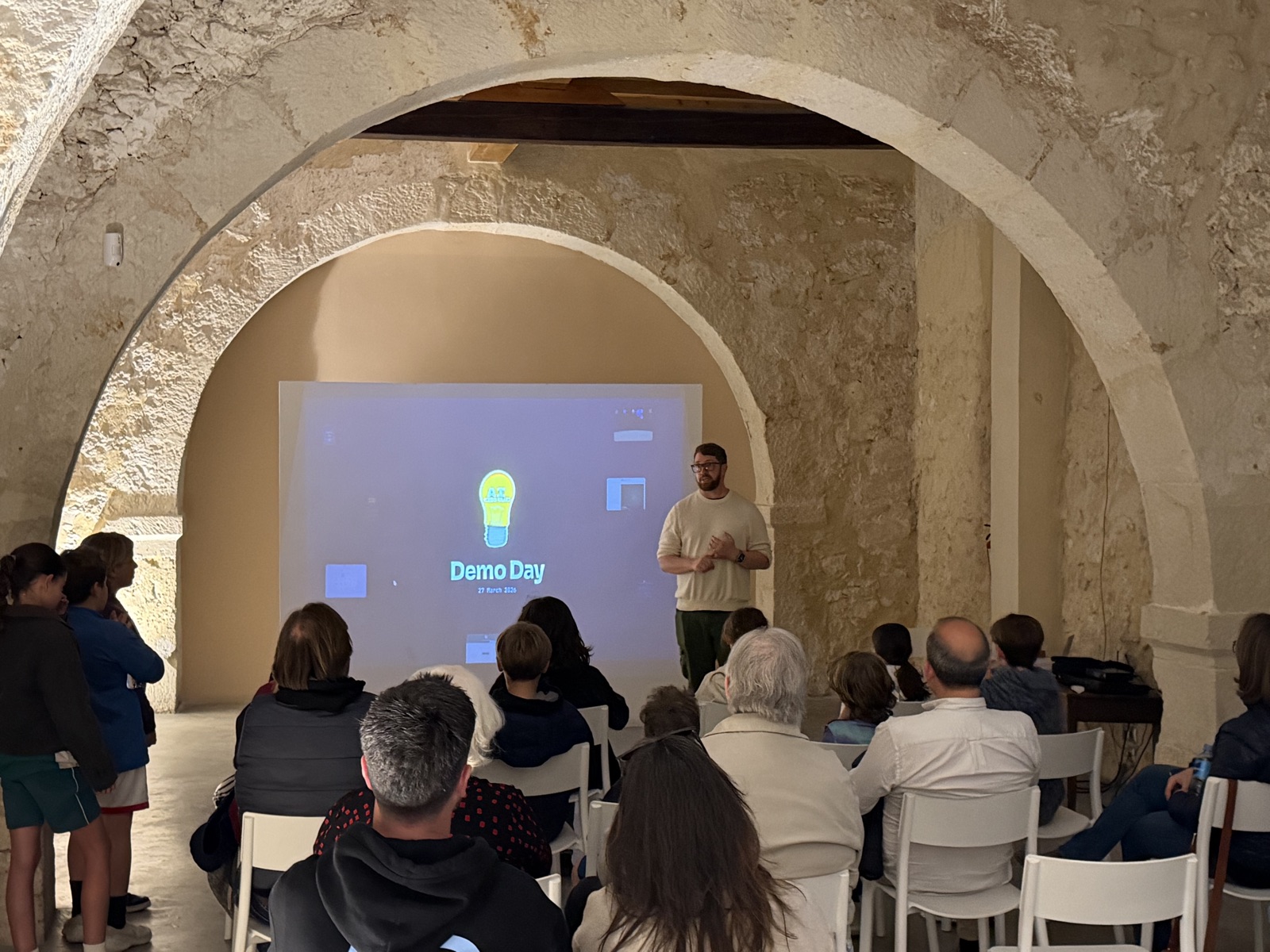
Families come in for startup-style demos. It is the moment parents get to see what their kids created in one week.
Online Labs coming soon
Location
July 2026: Universidad de Alicante, MiCampus
The July 2026 camp ran at MiCampus on the Universidad de Alicante campus in Sant Vicent del Raspeig: indoor work rooms, rest areas, and pool and play space for supervised breaks. Camps are in Alicante, and we confirm the 2027 venue when the dates go out.
C/ Alicante 107, 03690 Sant Vicent del Raspeig — the July 2026 venue
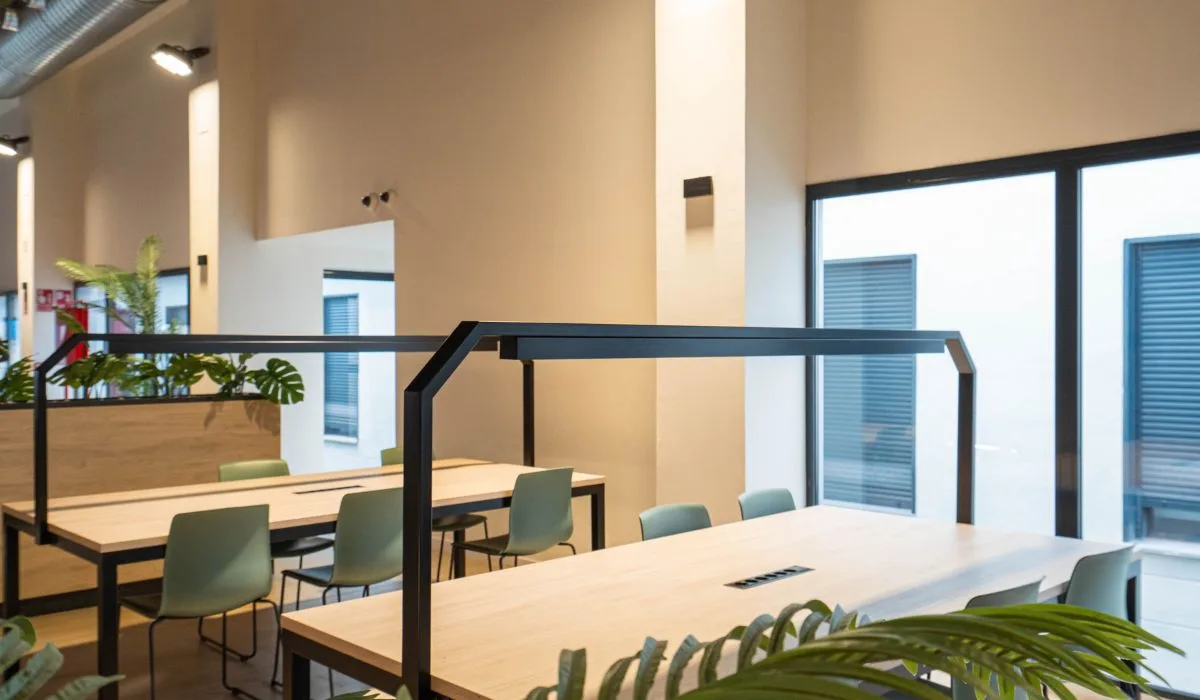
Work room
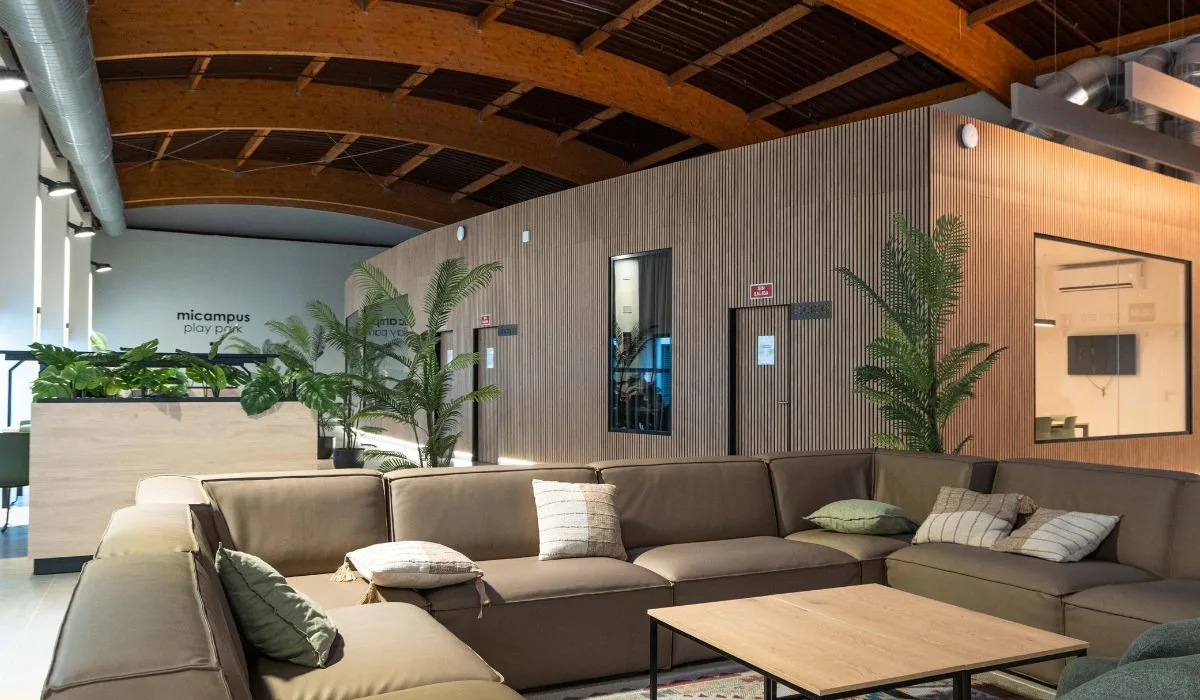
Rest area
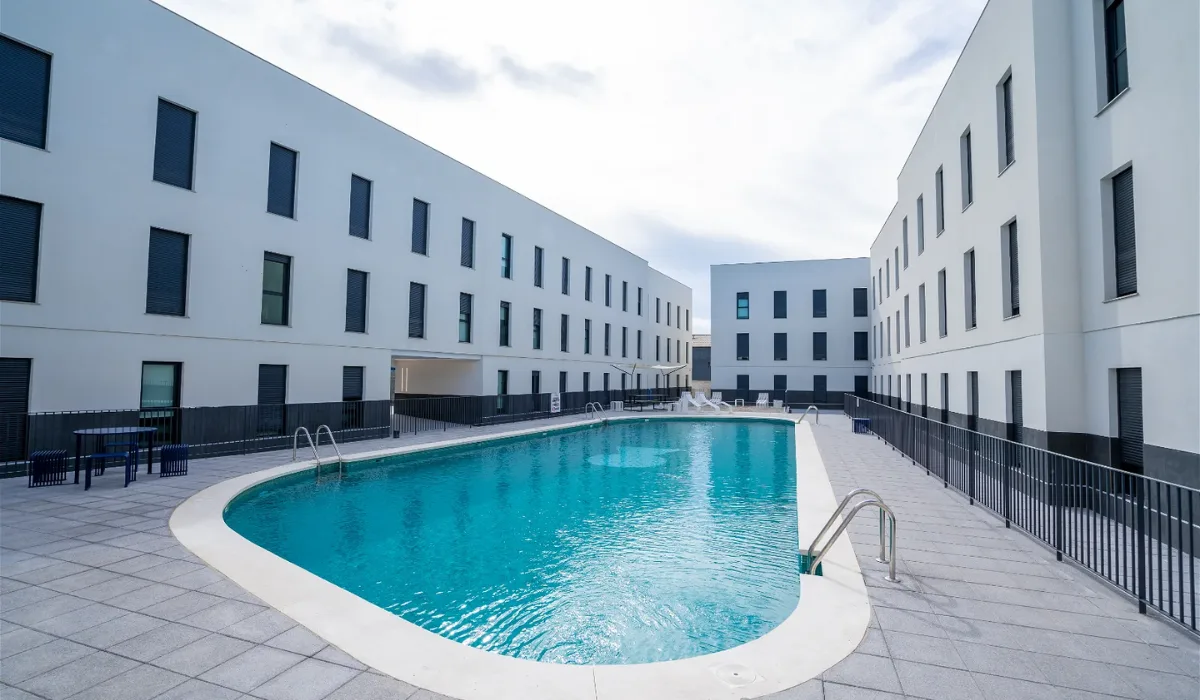
Pool
In one week, your child will build something real.
Instructor

Brian Greene
Brian Greene
Brian brings 15+ years in education and technology. As Director of Udacity's NYC School he launched the first in-person hybrid program, and has taught at NYU, Pratt, and La Nave Nodriza in Madrid. He's built products at Etsy, Bumble, and Udacity used by hundreds of millions of people. Kids at camp learn with the same tools and methods he uses on the job.





Brian brings 15+ years in education and technology. As Director of Udacity's NYC School he launched the first in-person hybrid program, and has taught at NYU, Pratt, and La Nave Nodriza in Madrid. He's built products at Etsy, Bumble, and Udacity used by hundreds of millions of people. Kids at camp learn with the same tools and methods he uses on the job.
Frequently asked questions
What ages is this camp for, and do kids need experience?
July 2026 was a mixed group of 8- to 12-year-olds, and the 2027 ages go out with the dates. No experience needed either way. We get kids from total beginners to ones already tinkering with AI — the work adapts to each kid's level, and the instructor makes sure nobody's lost and nobody's bored.
What will my kid actually do all day?
Build real projects with AI. Mornings alternate between short instruction, guided project work, snack, supervised breaks, and time to test and share what they made. Full rhythm in "A day at camp" above.
Food, snacks, and breaks?
July 2026 ran 9:30–13:30, so lunch wasn't included: kids brought a snack and a water bottle, and we took a mid-morning break together with outdoor and pool time. The 2027 timetable goes out with the dates.
Where does camp take place?
In Alicante. July 2026 was at Universidad de Alicante, MiCampus — C/ Alicante 107, 03690 Sant Vicent del Raspeig. We confirm the 2027 venue when the dates go out.
What does my kid need to bring?
A laptop, a snack, and a water bottle. We'll connect with you before camp to make sure the laptop can run the tools we use. School laptops usually work fine.
What if my kid has never used a laptop or AI before?
Perfectly fine. We start from the basics. Our pilot camp had 7-year-olds who'd barely used a computer and still shipped real projects by the end.
What language is camp taught in?
July 2026 ran in English with Spanish support throughout, and the instructor is bilingual — it works for Spanish-native kids and for international families on holiday who prefer English. We confirm the 2027 language with the dates.
What happens on Demo Day?
Kids present what they built to their families — startup-style demos, real audience. Demo Day isn't an extra; kids prepare for it all week.
How is this different from a robotics or coding camp?
Robotics camps teach kids to assemble kits. Coding camps teach syntax. AI Kids Club teaches kids to direct machines with AI — which is what you actually do at a tech company today. All three have value, but AI is the underlying skill that applies everywhere, including robotics.
How much does it cost and what's included?
July 2026 was €250 for the week: 20 hours of instruction with AI tools, all materials, and Demo Day. The 2027 price goes out with the dates.
What happens after camp is over?
Kids keep everything they build. Families who want to keep going can join our Online AI Labs, coming soon, or ask their school about bringing AI Kids Club in.