
First session. Laptops open. A kid types: “make me an image of Cork.”
AI draws a bottle cork.
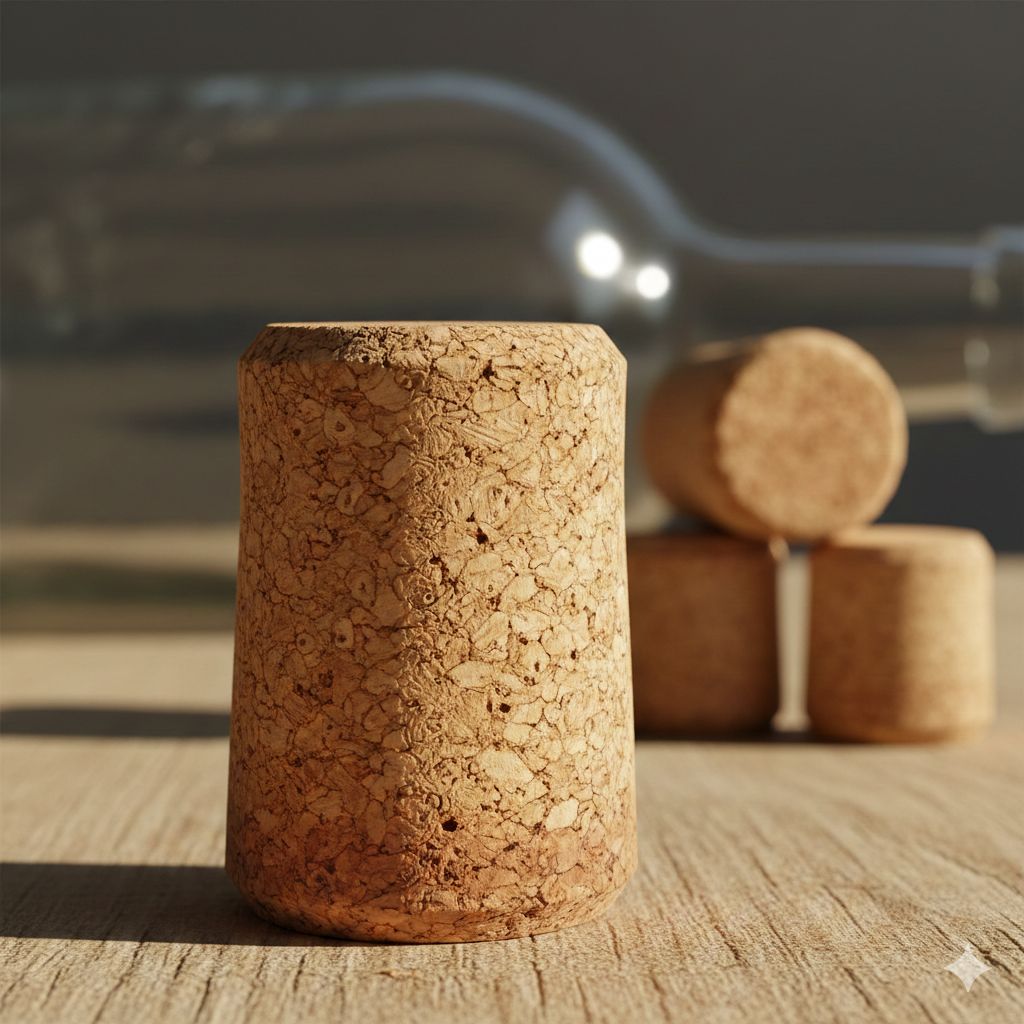
“No! Cork is my DOG!”
Why AI got it wrong
AI is a prediction machine. It’s trained on billions of images and text from the internet. When it sees a word, it predicts the most likely meaning. “Cork” usually means the stuff in a wine bottle. So that’s what it drew.
It has never met Cork the dog. Can’t know he exists. AI has no memory of your life, no understanding of what you mean — just what words usually mean. It guesses. Confidently, fast, and wrong.
That’s the first thing kids learn: AI is a tool. Powerful, but with no judgment and no idea what you want. It only knows what you tell it.
From bottle cork to the actual dog
The kid tries again. “Cork as a dog.” Generic dog — better, but it looks like every dog on the internet.
“A small brown dog.” Closer. “A small brown dog with floppy ears and a white spot on the chest.”

Now it looks like Cork. Same AI. The difference was what the kid gave it to work with.
Context engineering
This is context engineering: giving AI the information it needs to do what you actually want. Without context, AI falls back on defaults. With context, it gets specific.
“Cork” gave AI nothing — it defaulted to bottle cork. “Small brown dog with floppy ears and a white spot on the chest” gave it enough to produce something real.
Doesn’t matter how good the model is. Without the right context, you get a bottle cork when you wanted a dog. A nine-year-old worked this out in four tries.
What kids take away
The Cork moment illustrates the foundation of the program.
AI reflects your thinking. Vague input, generic output. Specific input, useful output. What comes back depends on what you put in.
The first result is a starting point. The bottle cork wasn’t wrong — the instruction was incomplete. Each round of feedback got closer. Kids learn to evaluate and iterate, not accept.
Confident doesn’t mean correct. AI drew that bottle cork like it was exactly what you asked for. Looked great. Completely wrong. Kids learn to check, not trust.
A kid wanted his dog and got a bottle cork. Everything else follows from there. See what they built by the end of the program in the Demo Day recap, or try the projects yourself.