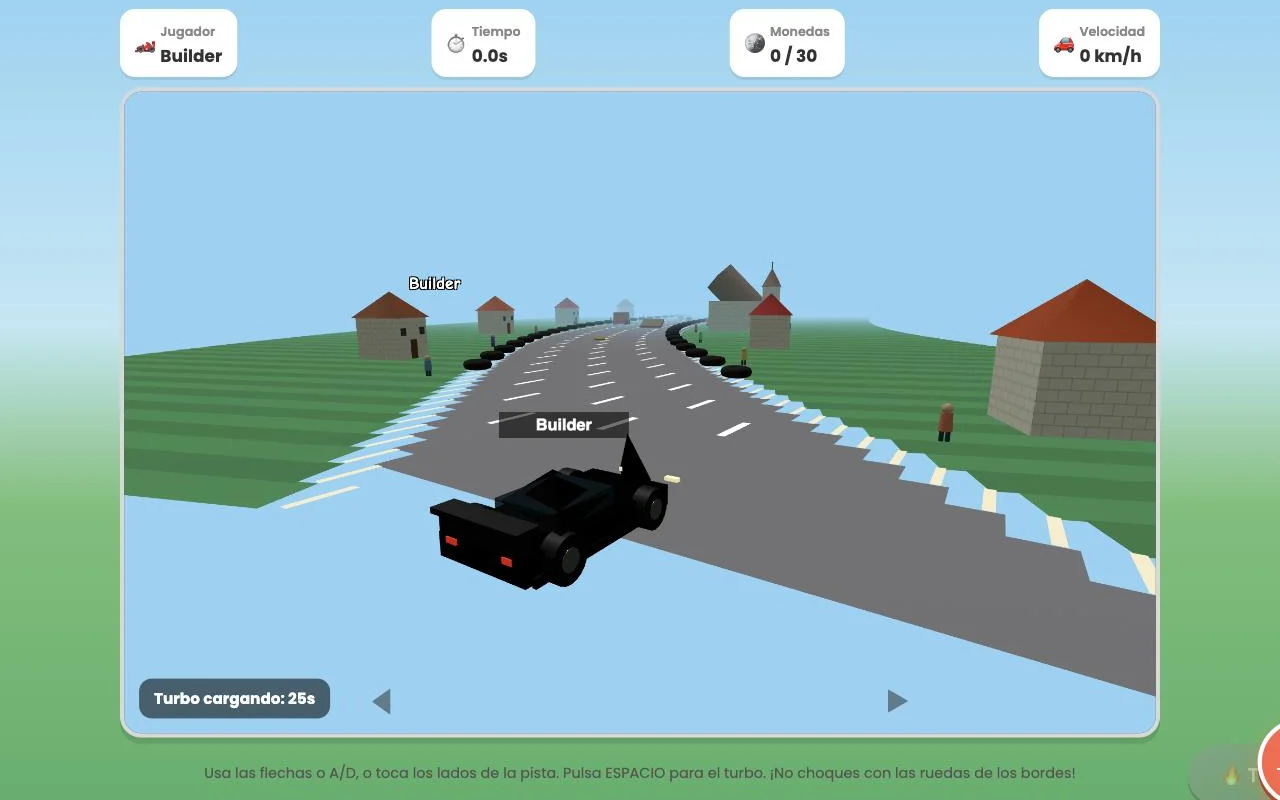
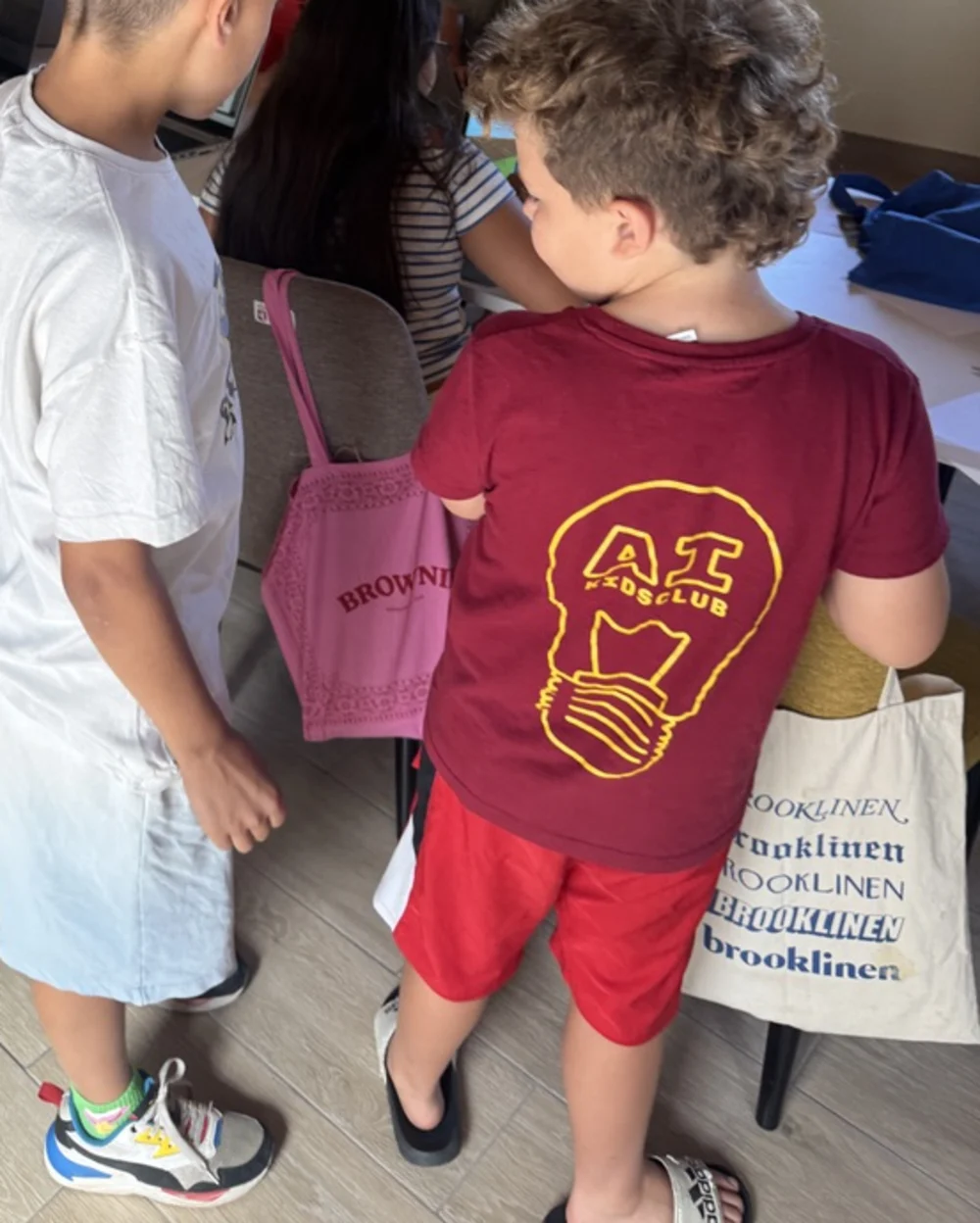
Every August, Spain returns to the pueblo. The cities empty out, the grandparents’ houses fill, and kids who see each other once a year are reunited and suddenly outside all day. Our pueblo is Santibáñez de la Isla, in León: the village where AI Kids Club began, as a little camp for my own kids and their cousins.
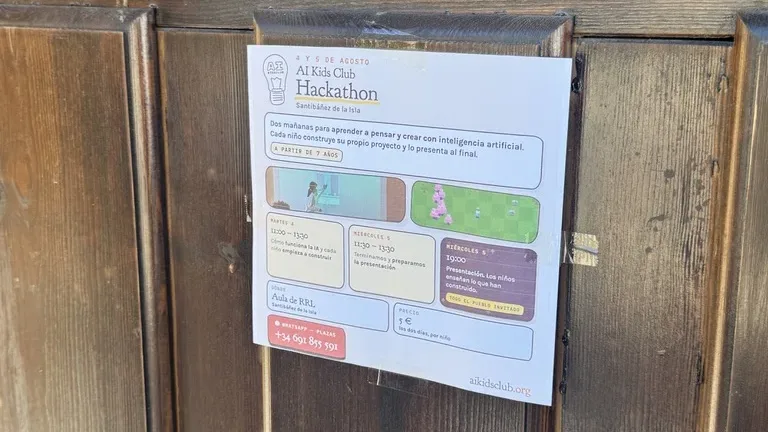
This August we went back with something bigger: a two-morning hackathon. Seventeen kids came, ages 7 to 16, and almost none of them had ever built anything with AI. The brief fit in one line: make something about Santibáñez.
The first thing they built, they built together: Juanco, the hackathon’s mascot, one idea from each kid. Then they split into seven teams, each with its own name: RRL Chefs, Los Greenes, Zanzibar, Laprensa.es, Esniaga, Las Biciclets, Luchadores de Santibáñez. Each team decided what to make inspired by the pueblo, then spent both mornings building it in Spark, our AI tool.
When an island isn’t an island
Whatever the name promises, there is no island in Santibáñez de la Isla. The village is not an island, and there is no island anywhere near it. What it does have is a church, a plaza, a football pitch and a path down to the river. And the name.
Luchadores de Santibáñez built Batalla por Santibáñez: twenty fighters, everyone against everyone, winner is the last one standing. The setting is the pueblo, and the start screen announces it on the map: Santibáñez de la Isla. At some point the AI had to draw the battlefield, and nobody had told it what the village looks like. It had exactly one thing to go on: the name.
It drew the village as an island.
That is what an AI does: it predicts. It is one of the first things we teach in class: the AI has read a huge amount, but it has never been here. When it’s missing something you haven’t told it, it doesn’t stop and ask; it fills the gap with the most likely thing and keeps going. De la Isla? An island, then. Drawn fast and drawn confidently, the same way it once drew a bottle cork for a kid who asked for his dog, Cork. It only knows what you tell it.
Gum, tractors and bells
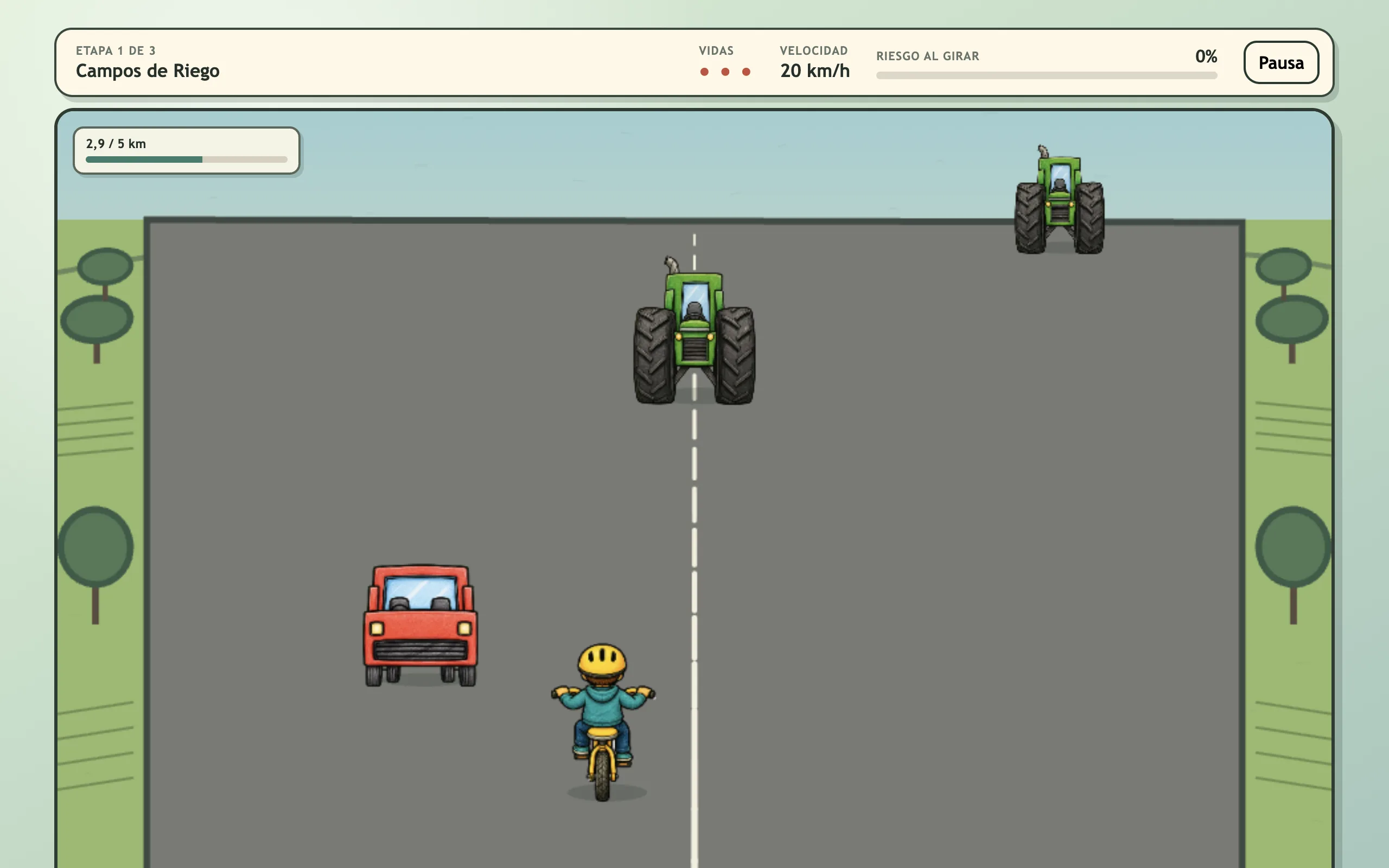
The kids already knew Santibáñez. To the AI it was a name, so they had to explain the rest. En Bici por León puts you on a road where what you dodge is pink cars and green tractors. Viaje a la Isla rides in stages (Riego, Astorga, El Teleno) and ends at Santibáñez de la Isla. In Mi Tienda Animada, gum sells for five céntimos and the advertising sign costs ten euros. Restaurante RRL makes you listen to the waiter, remember the ingredients, and cook before the bell. The AI had read none of that. The kids put it there.
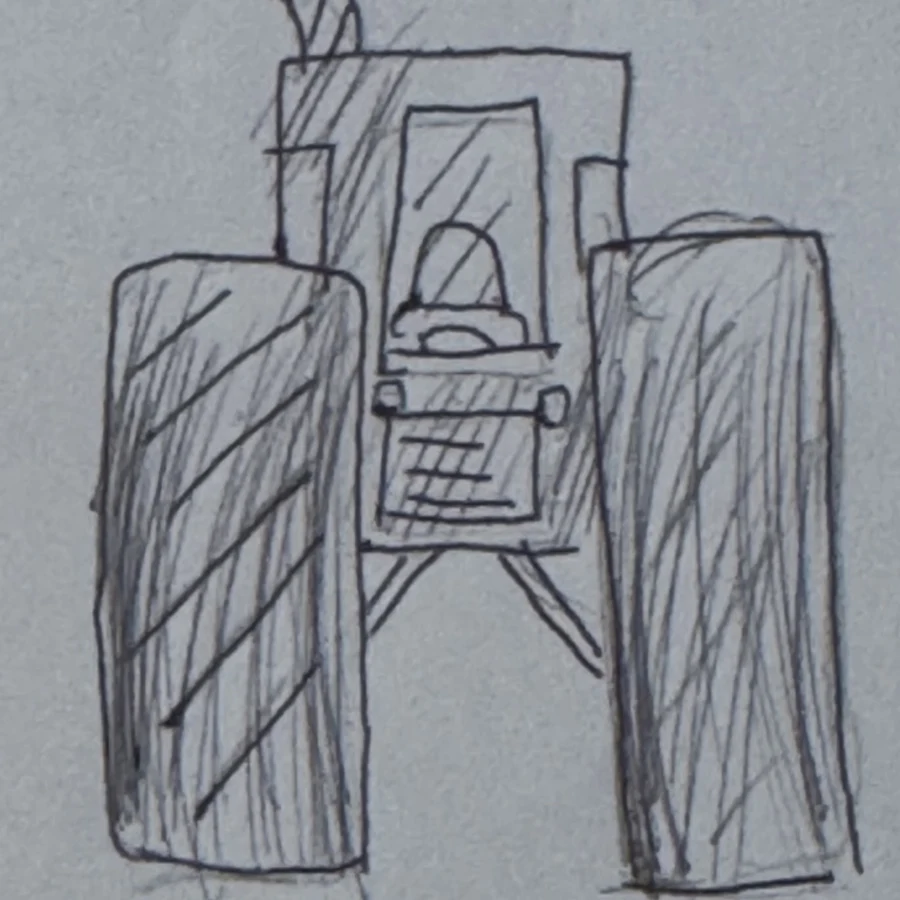
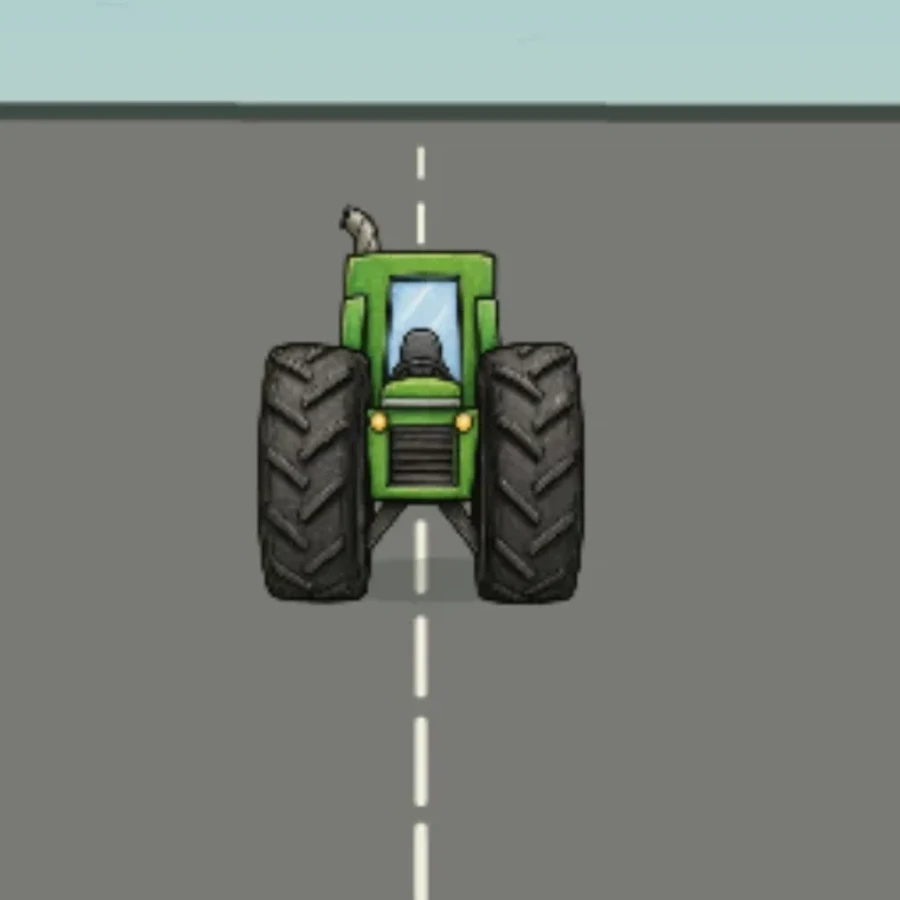
Sometimes on paper. The tractors, the car and the riders in Viaje a la Isla started as pencil drawings, drawn by hand, photographed, and handed to Spark as the artwork to build from.
Demo Day in Santibáñez
On the Wednesday evening came the Demo Day, with the whole pueblo invited. Every team presented its project, explaining its design and how it works.
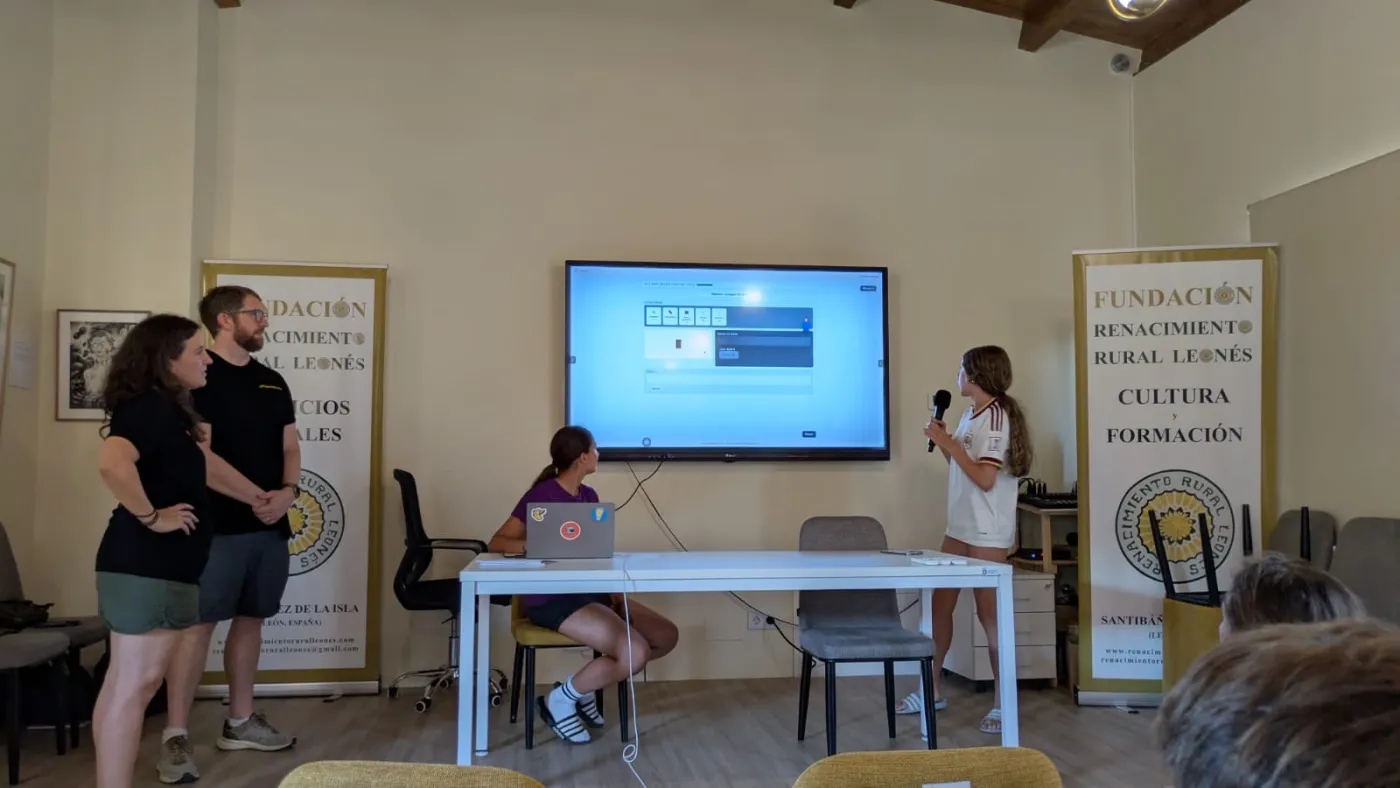
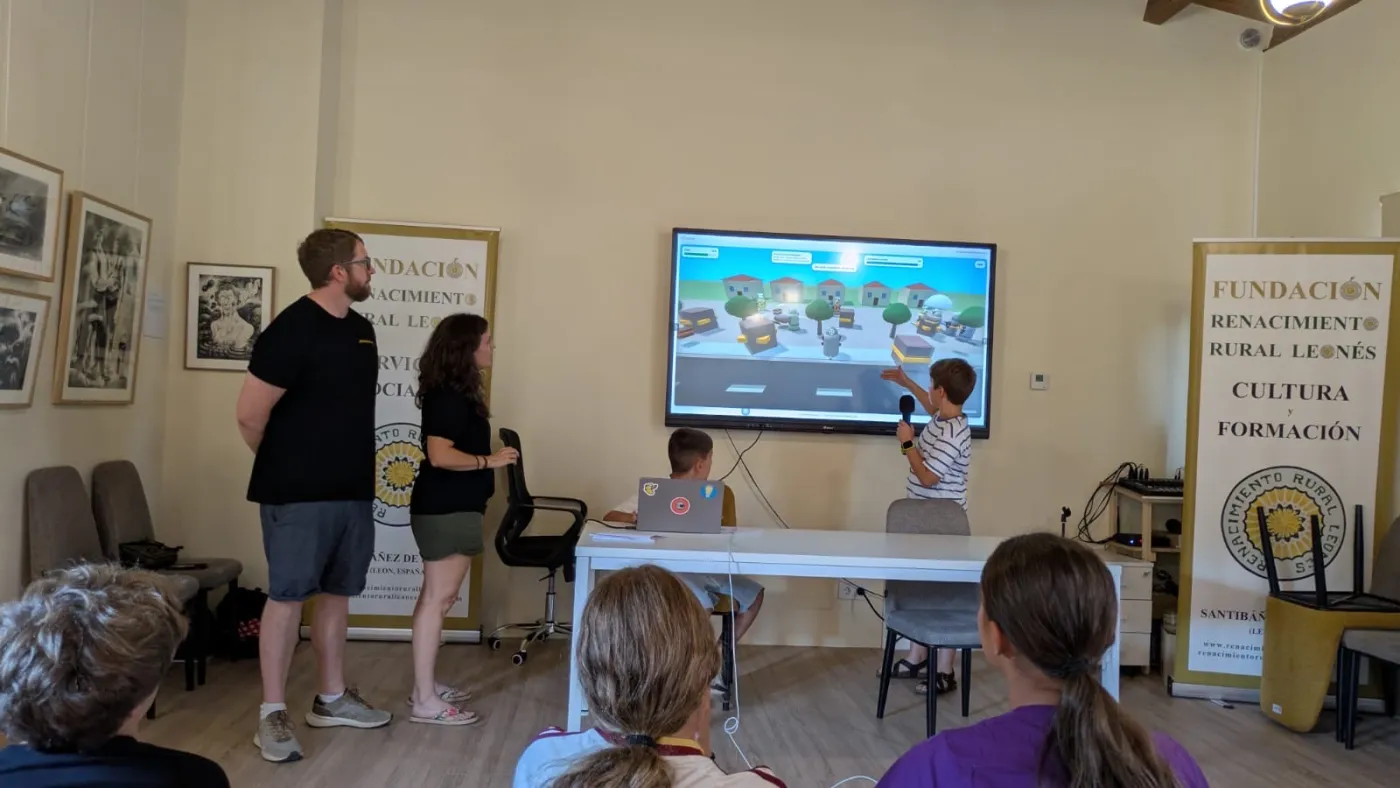
Two of the games are bike rides, and they make up one journey, a half each. Gran Carrera de la Isla, by Las Biciclets, rides out of the village: Santibáñez de la Isla to Santa María de la Isla, both riders on the same keyboard. Viaje a la Isla rides back, stage by stage across León, from Riego to Astorga to El Teleno, until it reaches Santibáñez de la Isla, home. Out of the pueblo and back into it: families all over Spain make that trip in August. We made it too.
All eleven projects are playable on the hackathon page, and right here:
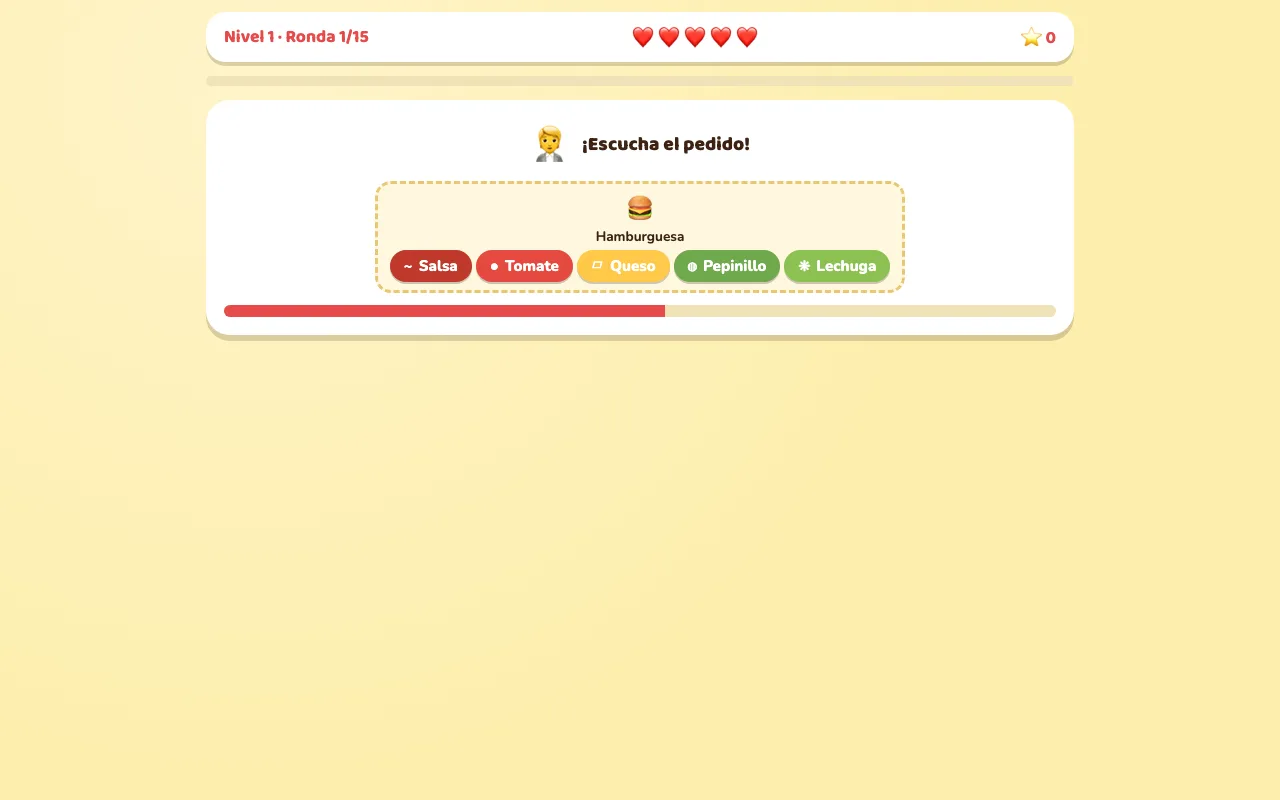 Restaurante RRLOpen project
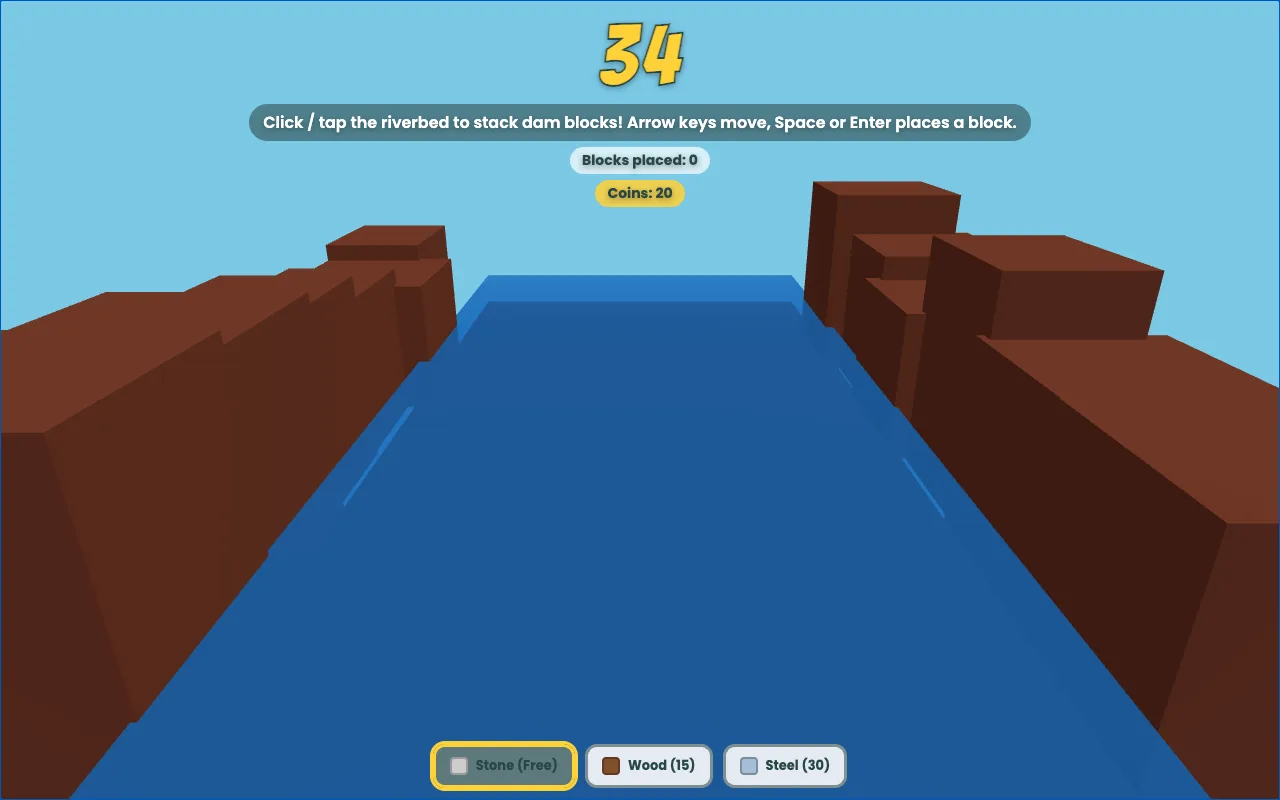 3D Dam BuilderOpen project
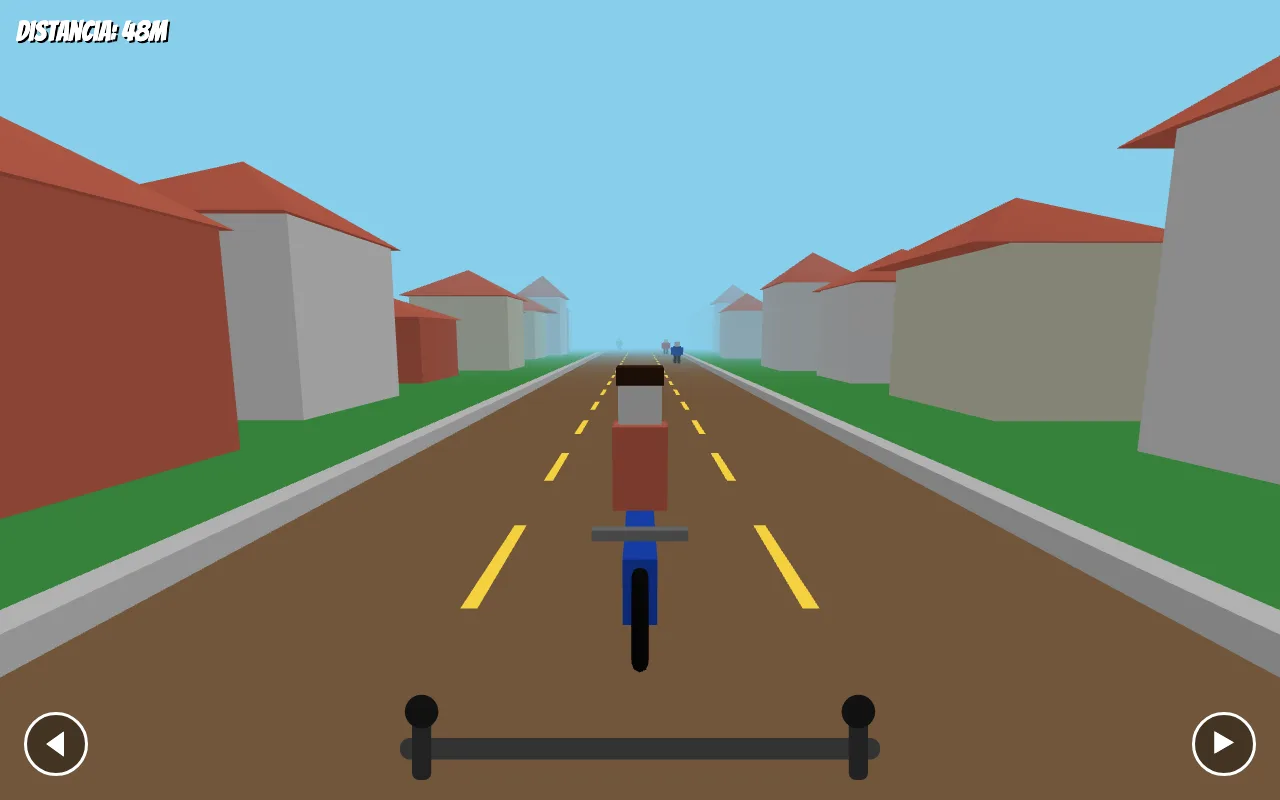 3D Bike DodgerOpen project
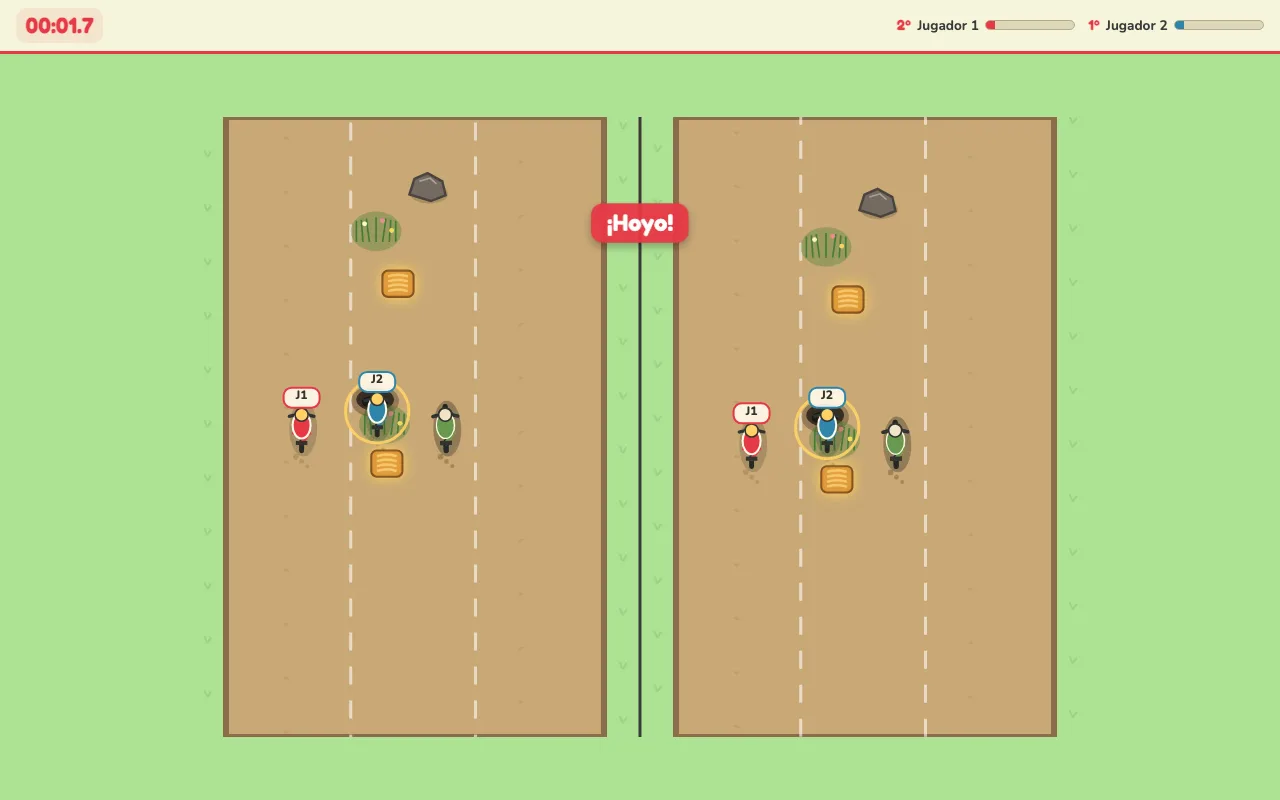 Gran Carrera de la IslaOpen project
 Salto de UnicornioOpen project
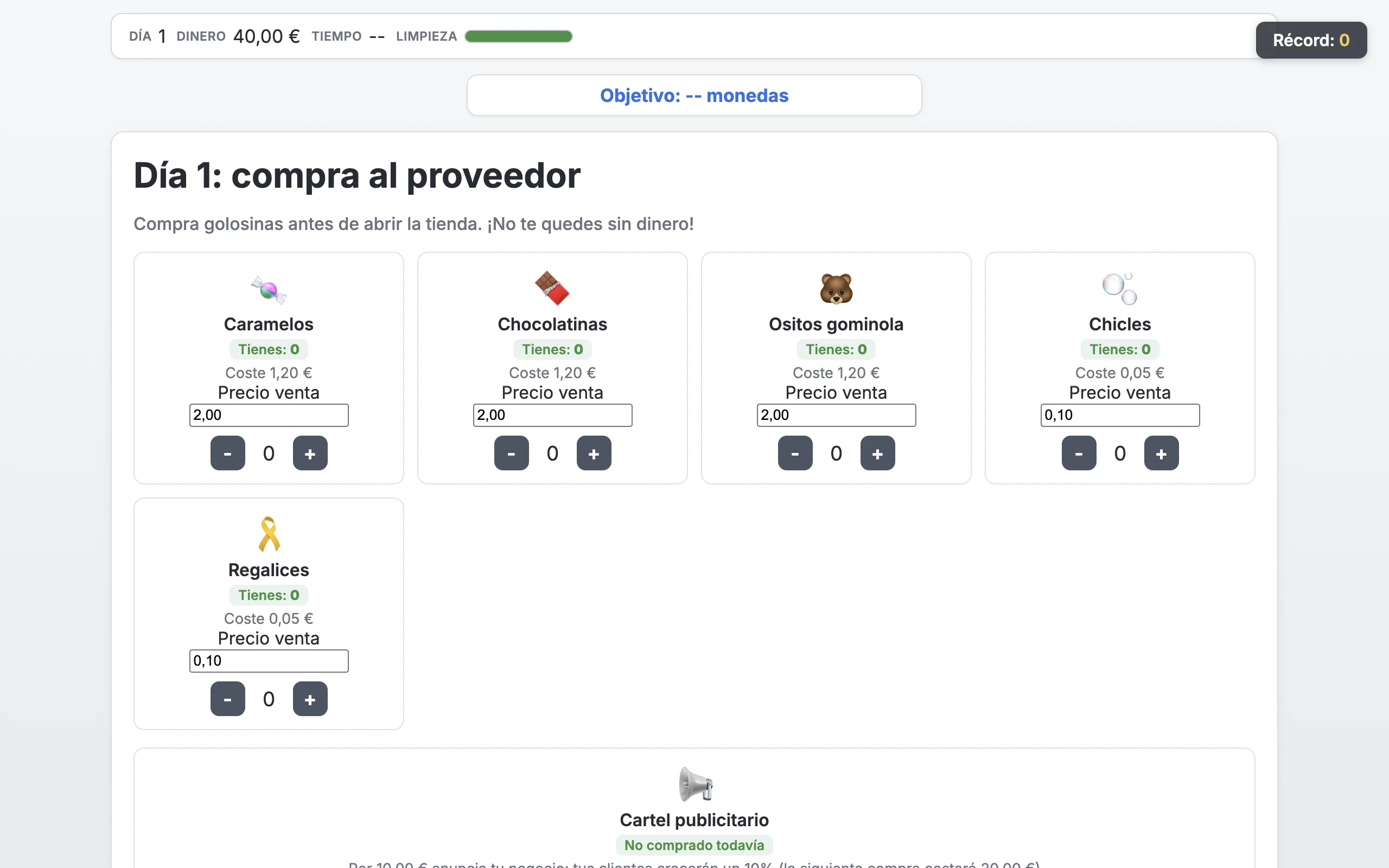 Mi Tienda AnimadaOpen project
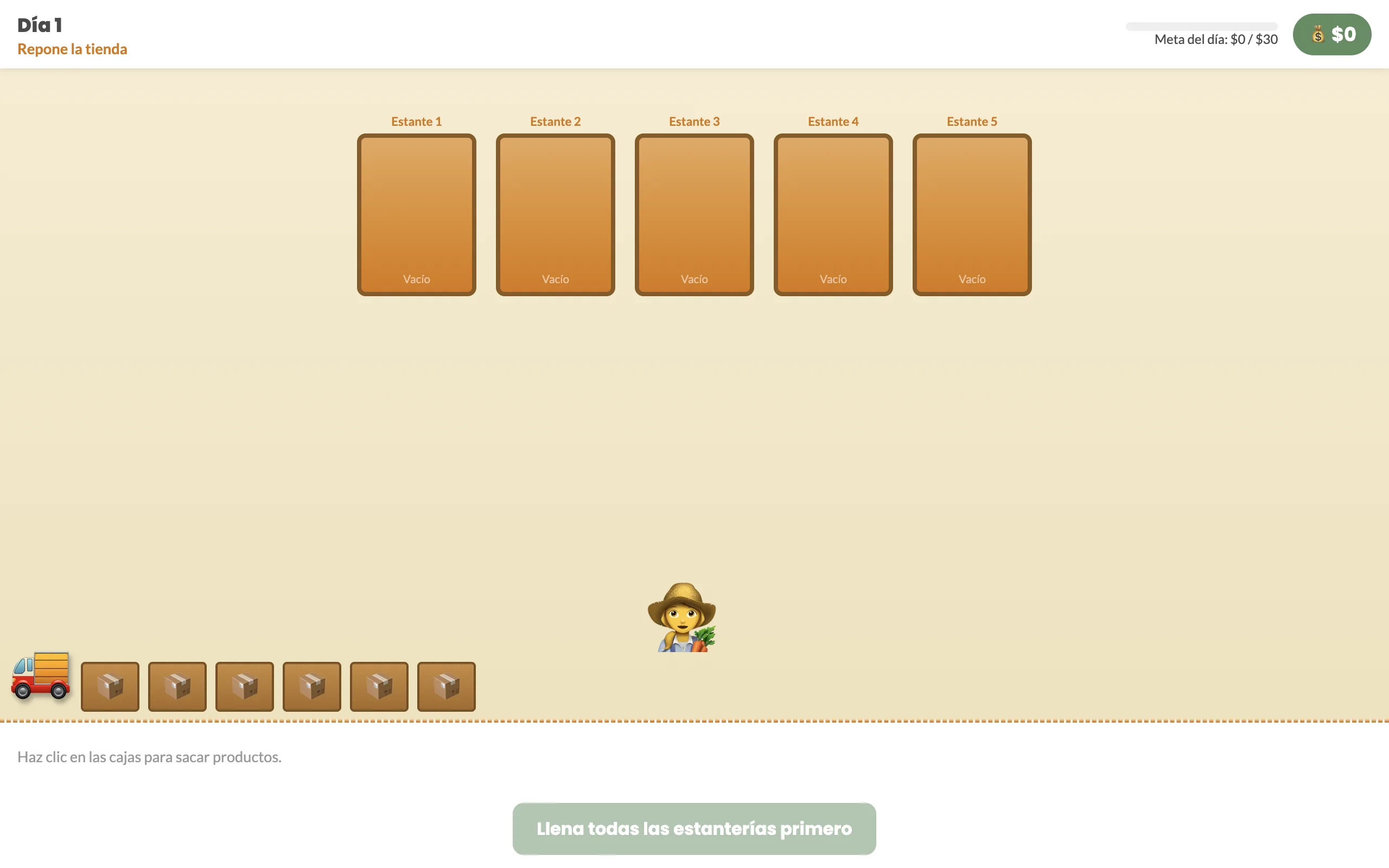 Mi TienditaOpen project
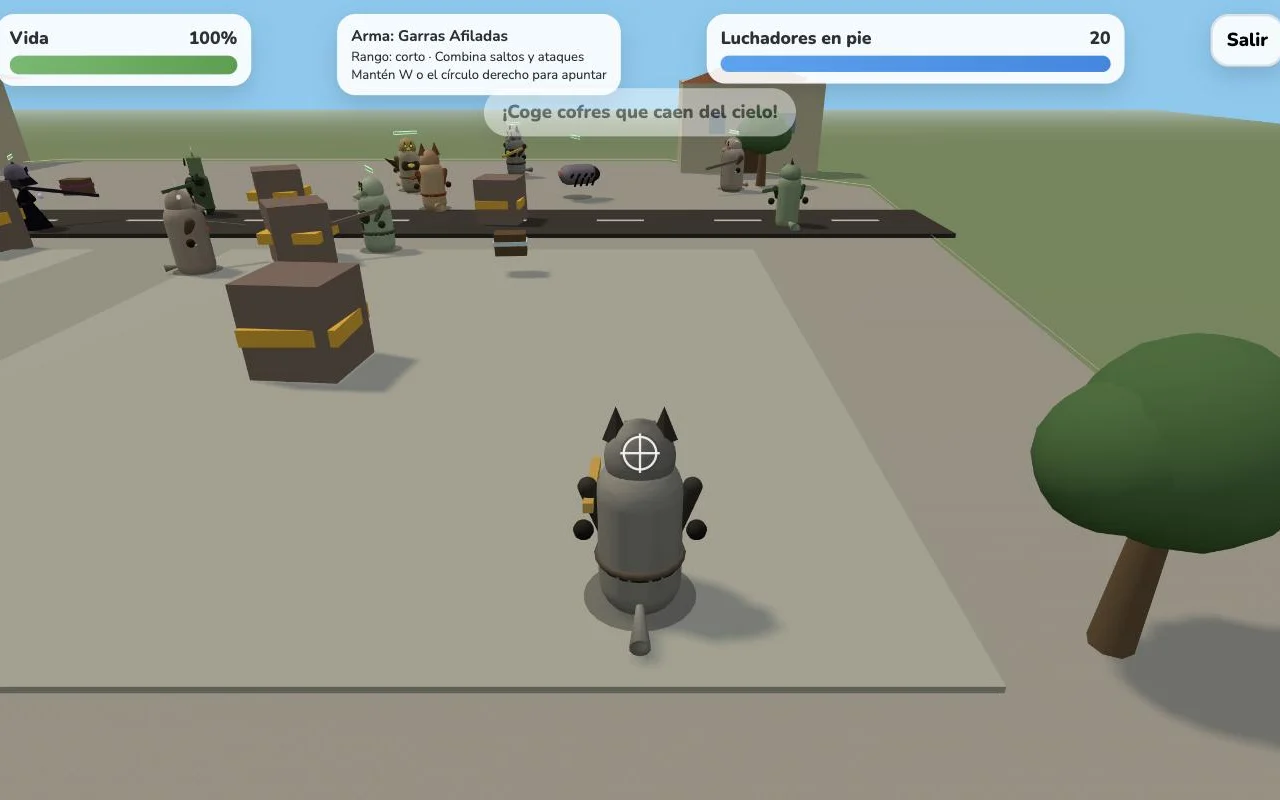 Batalla por SantibáñezOpen project
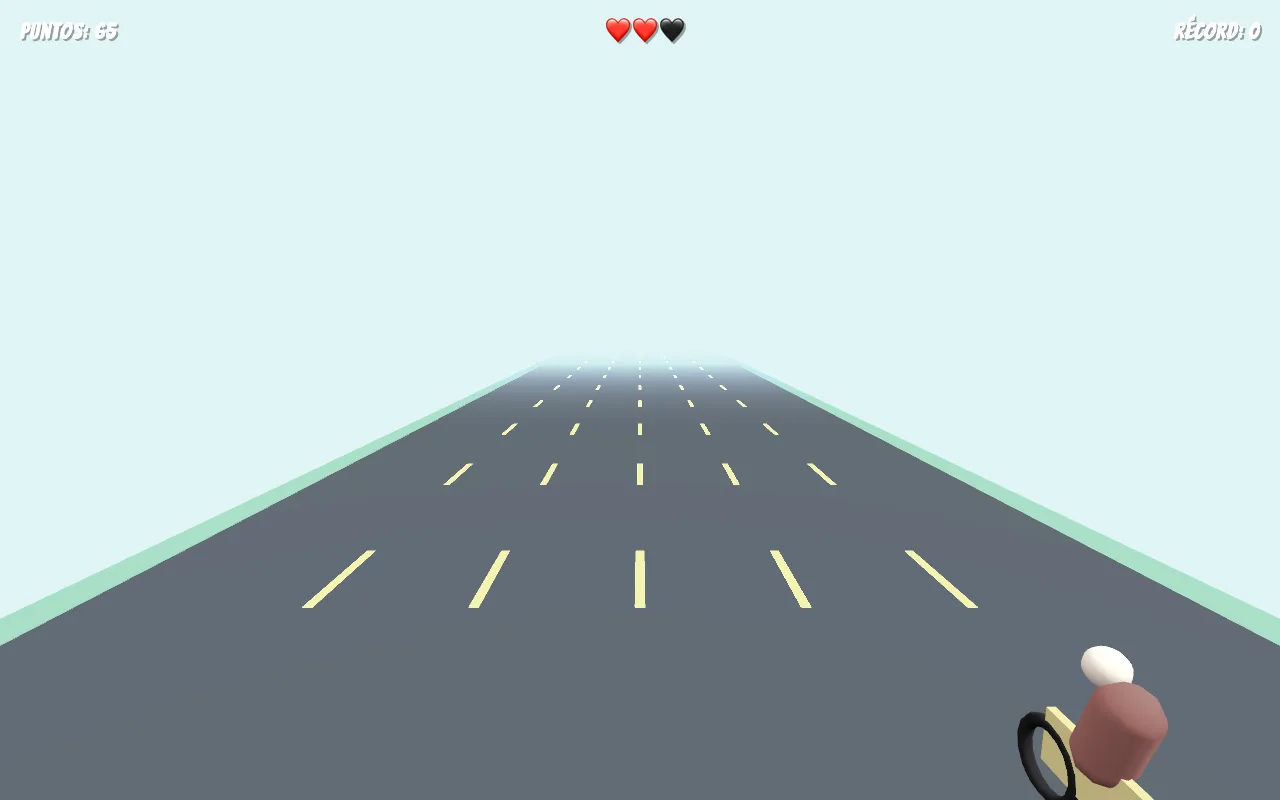 En Bici por LeónOpen project
 Viaje a la IslaOpen project